Introduction
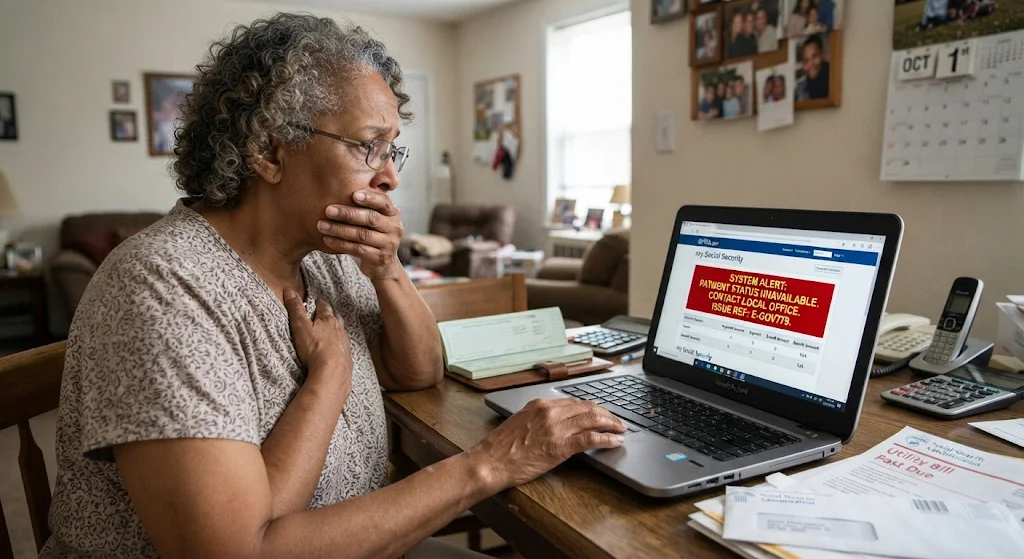
For millions of vulnerable Americans, the first of the month is a critical date. It’s the day Supplemental Security Income (SSI) benefits are typically deposited, providing essential funds for rent, food, and utilities. Recently, this crucial financial lifeline was jeopardized when a significant technical failure on the official agency website created widespread confusion. When SSI beneficiaries across the country logged in to check their payment status, many were met with alarming messages indicating that their benefits had been suspended, reduced, or were simply missing entirely.
The resulting distress cannot be overstated. Supplemental Security Income is a lifeline for aged, blind, and disabled individuals with limited income and resources; for many, there is no financial cushion to absorb a missed payment. The information vacuum created by the glitch—which coincided with the payment date—led to immediate fears of eviction, hunger, and an inability to afford critical medical care. While the Social Security Administration later acknowledged the issue as a technical error and assured recipients that payments were still scheduled, the incident highlighted the fragility of relying on digital systems for essential government services and the severe real-world consequences when those systems fail. This article explores the anatomy of the incident, the immediate impact on recipients, and the broader implications of this technological breakdown.
Key Facts About the SSI Program and the Glitch Incident
The Anatomy of the Technical Failure
The technical failure on the Social Security Administration’s website did not involve a loss of funds but rather a critical breakdown in how that information was displayed to beneficiaries. On the morning in question, users attempting to verify their upcoming or pending deposits via the agency’s online portal were met with contradictory and alarming data. Instead of seeing their expected monthly benefit amount, many beneficiaries observed status updates indicating their benefits were “suspended” or “terminated.” Others saw wildly inaccurate payment figures, often significantly lower than their standard allotment, while some portals simply displayed a zero balance.
Initial reports suggest the problem stemmed from a flawed data integration or software update deployed prior to the payment cycle. While the back-end systems responsible for authorizing and disbursing Treasury payments were largely unaffected, the front-end public-facing interface—the portal millions use for real-time verification—was pulling incorrect information. This disparity between financial reality and digital representation is what fueled the panic. The incident revealed a critical vulnerability: even if funds are secure, a failure in communication technology can cause catastrophic real-world consequences for individuals living on the economic edge. The lack of immediate, transparent communication from the SSA during the first few critical hours exacerbated the confusion, leaving beneficiaries with no way to confirm the safety of their livelihood.
Immediate Impact: The Human Cost of System Errors
The real impact of the Social Security Administration’s website glitch was measured in human anxiety and financial distress. For the millions of Americans who rely on Supplemental Security Income, these funds are not discretionary; they are the absolute minimum required for survival. An SSI payment covers fundamental necessities such as rent for low-income individuals, medication co-pays for the disabled, and utility bills to keep the lights on. When the online portal incorrectly indicated that these funds were unavailable or had been stopped, the immediate reaction was one of profound fear.
Advocacy groups reported an overwhelming surge in calls from distressed beneficiaries who were unable to reach local SSA field offices for clarification. The timing of the glitch, coinciding with the first of the month when many bills become due, created a secondary crisis of potential late fees, overdraft charges, and failed transactions. For a demographic already dealing with significant health or age-related challenges, the added psychological burden of facing sudden, unexplained destitution was immense. The incident serves as a stark reminder that government agencies dealing with essential benefits have a heightened responsibility to ensure the reliability and accuracy of their digital infrastructure, as the margin for error for their constituents is non-existent.
The Role of Digital Modernization in Government Services
This unsettling event has once again brought the critical issue of government IT modernization into sharp focus. The Social Security Administration operates complex, legacy systems to manage and deliver benefits to a vast portion of the population. While efforts have been ongoing to digitize services and improve online access for beneficiaries, this incident underscores the significant risks inherent in such large-scale technological dependencies. Ensuring the resilience of these systems requires not just initial development, but continuous, robust investment in maintenance, security, and rigorous testing protocols before new code or data updates are deployed.
The reliance on digital portals for essential services demands a near-perfect standard of reliability that aging infrastructure often struggles to meet. When these systems falter, the consequences cascade rapidly through the vulnerable communities they serve. The challenge for the SSA and other federal agencies is to balance the push for modernization—which aims to improve efficiency and user experience—with the absolute necessity of fail-safe operations for existing benefit delivery. Moving forward, this incident will likely spur increased scrutiny of the agency’s IT management practices and may necessitate a re-evaluation of how information is presented and verified by beneficiaries to prevent similar crises of confidence in the future.
When Technology Fails: Protocols for Benefit Verification
In an era where government services are increasingly moving online, beneficiaries must have reliable protocols for verifying their status when digital portals fail. The recent Social Security Administration website glitch demonstrated that relying solely on a single online interface can leave individuals vulnerable to misinformation during a technical outage. When faced with conflicting or alarming information on a benefit website, the first and most crucial step is to remain calm and verify the information through alternative channels before taking drastic financial action.
If the online portal displays an error or a suspension notice, beneficiaries should first check their bank accounts directly, as the deposit systems often operate independently of the public-facing informational websites. If the funds are not immediately visible, the next step is to contact the automated toll-free number provided by the agency, which may have more accurate status information than the web interface. It is also advisable to check official SSA social media channels or the main agency website for any announcements regarding known technical issues. In situations where immediate financial hardship is threatened due to a confirmed delay or error, contacting a local field office directly, although sometimes difficult during peak times, remains the most direct route to resolving payment discrepancies. Developing these contingency plans is essential for individuals who depend on the consistent receipt of government benefits.
Broader Implications for Trust in Federal Agencies
Beyond the immediate technical failure and financial anxiety, the incident raises significant concerns regarding public trust in essential federal agencies. For the millions of Supplemental Security Income recipients, the Social Security Administration is not an abstract entity; it is the primary source of their economic security and stability. When the agency’s digital systems provide frightening and incorrect information about the status of vital benefits, it erodes the confidence these vulnerable populations have in the government’s ability to manage their affairs competently.
The panic caused by the website glitch highlighted a fundamental reliance that is rarely questioned until it is broken. When beneficiaries log in and see a message stating their benefits have been terminated without warning, the immediate assumption is rarely that it is a simple display error; rather, it is fear of a bureaucratic failure that will take months to rectify. Restoring this trust requires more than technical fixes; it demands proactive communication, transparency about system limitations, and a commitment to ensuring that digital tools enhance, rather than jeopardize, the delivery of critical services. Agencies must recognize that the reliability of their public-facing technology is directly linked to the perceived reliability and trustworthiness of the government itself in the eyes of the citizens it serves.
FAQs Section
Q: What should I do if the SSA website says my benefits are suspended? A: Do not panic. First, check your bank account to see if the payment arrived, as the website error may not reflect your actual financial status. Next, try calling the SSA’s toll-free automated number to verify your payment status. If discrepancies continue, contact your local SSA office directly.
Q: Are SSI payments guaranteed despite website glitches? A: Yes, your authorized payment is generally secure even if the informational website displays an error. The glitch was a technical display issue within the portal, not an indication that benefits had been legally stopped or cancelled. The SSA typically corrects such display errors quickly.
Q: How often do Social Security Administration website glitches occur? A: Widespread, panic-inducing glitches are relatively rare, but smaller technical issues and maintenance downtimes can happen. The increasing complexity of integrating legacy systems with modern web interfaces does pose ongoing risks of unexpected errors during updates.
Q: Can I rely solely on the SSA online portal for payment information? A: While the portal is a valuable tool, it is wise to use multiple verification methods, such as monitoring your bank deposits and utilizing automated phone lines, especially around critical payment dates. Relying on a single digital source can lead to unnecessary anxiety during a system failure.
Q: Who is eligible to receive Supplemental Security Income (SSI)? A: SSI is a needs-based program designed for aged (65 or older), blind, or disabled individuals who have little to no income and limited resources. Eligibility is determined by strict financial criteria set by the Social Security Administration.
Conclusion
The recent incident involving the Social Security Administration’s website glitch served as a powerful and disruptive reminder of the intricate balance between technological dependency and the provision of essential government services. For millions of Supplemental Security Income recipients across the United States, the first of the month is not merely a date on the calendar; it is the cornerstone of their financial survival, determining their ability to afford housing, food, and medical care. When the agency’s digital portal erroneously displayed suspension and termination notices, it triggered a tidal wave of panic and distress among some of the nation’s most vulnerable citizens.
The crisis underscored that even when back-end financial systems remain intact, a failure in the front-end communication interface can have severe real-world consequences. It highlighted the urgent need for robust investment in the modernization and maintenance of government IT infrastructure to ensure the reliability that these populations absolutely require. Furthermore, the event emphasized the critical importance of transparent, real-time communication from agencies during technical crises to mitigate beneficiary anxiety. As government services continue to migrate online, ensuring the integrity and trustworthiness of these digital platforms is paramount. The ultimate takeaway is the necessity for fail-safe protocols and a renewed commitment to prioritizing the stability of essential benefit delivery systems above all else.