Introduction
Staying informed in a crowded online media environment requires filtering through endless headlines to find timely, readable updates. Readers today want straightforward reporting that connects breaking developments in business, technology, lifestyle, and entertainment without burying the core facts under unnecessary jargon.
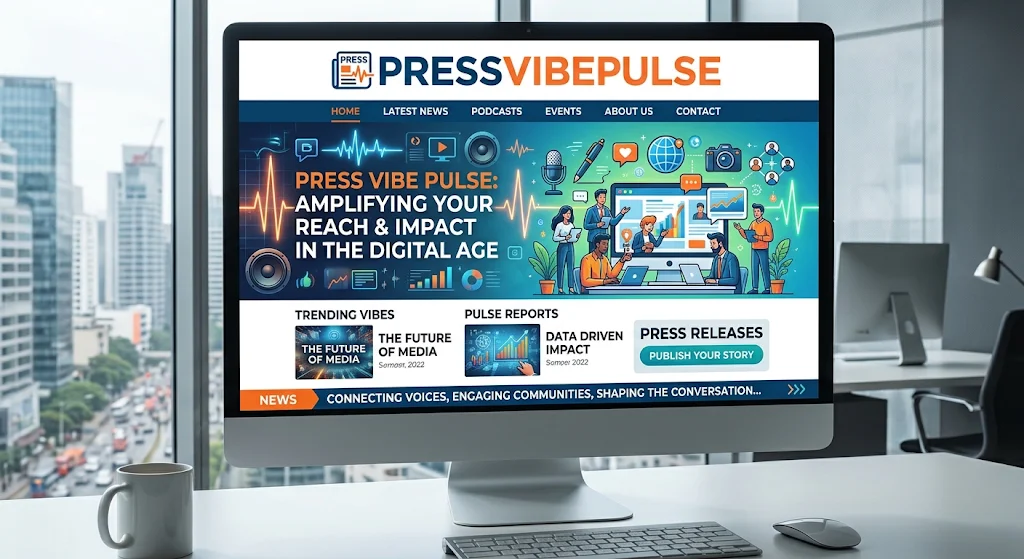
That demand for accessible digital journalism is where PressVibePulse.com enters the conversation as an emerging online publication. Designed for casual browsers and everyday news followers alike, the platform focuses on delivering quick-hit stories, trending topics, and broad commentary across multiple high-interest categories.
Whether you came across the domain in search results, saw a shared article on social media, or are evaluating its editorial footprint, understanding how a modern digital news hub operates helps you judge its usefulness. Below is an objective look at the site’s content structure, user experience, and practical role in today’s fast-moving information ecosystem.
Platform Overview
Editorial Scope and Core Content Categories
A digital publication’s usefulness depends largely on how well its coverage aligns with what readers actually search for each day. Rather than locking itself into a single narrow industry, this platform takes a multi-niche approach that mirrors the browsing habits of a general audience. Core sections typically span technology, finance, entertainment, health, and cultural trends.
This broad editorial scope allows readers to move from an update on consumer tech releases to a summary of market shifts within the same session. For example, a morning visitor might read a brief explainer on a new software update before checking a lifestyle piece on workplace productivity.
By organizing articles under clear topical headers, the site reduces the friction of hunting across separate specialty blogs. Each category focuses on translating complex developments into plain language that requires no prior technical background. While deep academic analysis is not the goal, the breadth of topics makes the platform a practical starting point for tracking everyday headlines and emerging conversations across different sectors.
User Experience and Site Navigation
Modern readers rarely spend more than a few seconds deciding whether to stay on a webpage or hit the back button. Clean layout choices, legible typography, and fast page loading play a major role in keeping visitors engaged from the headline through the final paragraph.
The interface follows a familiar, uncluttered editorial grid that highlights recent stories without overwhelming the screen with distracting pop-ups. Clear category labels along the top navigation bar let users jump straight to their preferred topics, while related-article links at the bottom of posts encourage natural exploration.
Mobile responsiveness is equally important, given that most news traffic now originates on smartphones. Paragraphs are kept brief, subheadings break up longer explanations, and pages adjust smoothly to smaller viewports. When a site prioritizes straightforward readability over flashy design tricks, visitors can scan key takeaways quickly during a commute or a short break, making the overall reading experience far more efficient and enjoyable.
Balancing Speed With Accuracy in Digital Publishing
Online news platforms operate under constant pressure to publish quickly while maintaining factual reliability. When a story breaks or a topic surges in search interest, readers expect immediate context, yet rushing an article to press can lead to incomplete details or confusion.
Effective digital outlets manage this tension by separating fast updates from deeper background pieces. Short news briefs address the immediate who, what, and when of a developing story, giving readers a clear snapshot of current events. Follow-up explainers then add broader context, answering why the development matters and how it affects everyday consumers or businesses.
Readers can also apply simple verification habits when consuming fast-moving online coverage. Checking publication timestamps, looking for named sources or official statements, and comparing major claims across two or three established outlets ensures a well-rounded perspective. Understanding how modern web publishers pace their reporting helps audiences appreciate rapid updates while remaining thoughtful, critical consumers of daily information.
Audience Appeal and Reader Intent
Different visitors arrive at an online magazine with distinct goals in mind. Some users are actively searching for answers to a specific question, while others are casually browsing to catch up on popular culture or industry buzz.
Search-driven readers typically land on informational articles—such as how-to guides, product overviews, or trend breakdowns—looking for direct, practical clarity. Meanwhile, social media visitors often click on timely commentary, celebrity updates, or viral business stories that spark conversation. Catering to both intents requires an adaptable writing style that respects the reader’s time.
Articles that open with a clear summary immediately satisfy searchers who want fast answers, while well-structured supporting sections reward those who want extra detail. By avoiding overly dense academic phrasing and keeping examples relatable, the content remains approachable for international readers, students, and busy professionals alike. Meeting varied reader intent without sacrificing clarity is one of the primary drivers behind consistent organic readership.
Role in the Broader Online Media Landscape
The internet has shifted power away from a handful of traditional print monopolies toward a diverse ecosystem of independent websites, niche blogs, and digital-first publications. Smaller and mid-sized news portals play an important role in this landscape by covering emerging trends that major networks might overlook until days later.
Independent digital outlets often spot rising consumer interests early, whether that involves a new productivity app, a shift in remote work habits, or an upcoming entertainment release. Because their editorial teams are agile, they can publish timely explainers tailored to everyday questions rather than institutional jargon.
For readers, having access to a wider variety of voices prevents an echo chamber and offers fresh angles on familiar topics. At the same time, it encourages healthy competition across the web, pushing all publishers to improve formatting, clarity, and topical relevance in order to earn repeat visits and reader trust.
Evaluating Content Quality as a Reader
With millions of articles published online every day, knowing how to evaluate the quality of what you read is an essential digital skill. Reliable informational content shares several recognizable traits regardless of the website hosting it.
First, look for clear structure and transparent framing. Strong articles state their main point early, support claims with logical reasoning or concrete examples, and avoid sensationalized promises that the body text fails to deliver. Second, pay attention to tone—objective, well-edited writing focuses on informing the reader rather than relying on exaggerated hype.
Finally, consider whether the piece actually solves your query or leaves you with actionable understanding. If you finish an article knowing more about a trend, tool, or news event than when you started, the content has done its job. Applying these simple benchmarks turns casual scrolling into purposeful, productive reading across any online publication.
Practical Ways to Get the Most Out of News Portals
Turning daily news browsing into a productive habit works best when you approach online platforms intentionally rather than scrolling aimlessly. A few straightforward routines can help you extract maximum value in minimal time.
Start by bookmarking specific category pages—such as technology or business—so you bypass irrelevant headlines and go straight to topics that matter to your work or personal interests. Scanning subheadings before reading an entire post also lets you zero in on the exact section answering your question.
When you come across an insightful trend report or market update, save the link or jot down a quick note so you can revisit it later when making decisions. Sharing well-structured explainers with colleagues or peers can also spark useful discussions. With a focused approach, digital news portals become convenient research tools rather than sources of information overload.
Frequently Asked Questions
What type of content is published on PressVibePulse.com? The website publishes general interest articles spanning technology, business, finance, lifestyle, health, and entertainment. Its focus is on accessible news updates, trend explainers, and everyday informational guides.
Is the content geared toward industry experts or general readers? Articles are written primarily for general audiences in plain, approachable language. Complex topics are broken down into simple explanations so readers without specialized backgrounds can follow along easily.
How frequently are new articles added to the site? Like most modern digital news and trend portals, the platform updates regularly to keep pace with daily search interests, current events, and emerging online discussions.
Can I read articles on a mobile device? Yes, the site uses a responsive layout designed to adapt smoothly to smartphones, tablets, and desktop screens with readable fonts and clean spacing.
How should readers verify breaking news found on online portals? As a best practice across all web publications, readers should check article timestamps, look for cited primary sources, and cross-reference major breaking claims with established wire services or official announcements.
Conclusion
Navigating today’s fast-paced digital media environment becomes much easier when you know what a publication is built to deliver. Throughout this overview, we explored how PressVibePulse.com structures its multi-category coverage, prioritizes straightforward mobile-friendly readability, and serves everyday readers looking for timely updates across business, tech, and lifestyle topics.
Rather than functioning as a dense academic journal or a single-topic trade database, the platform operates as an accessible general-interest hub designed for quick comprehension. Its strength lies in presenting trending developments and practical explainers in clean, scannable formats that respect a busy reader’s time.
To get the best experience from any online news portal, approach your reading with clear intent. Focus on the categories most relevant to your daily goals, scan subheadings to capture core insights quickly, and maintain smart verification habits when following fast-developing stories. By combining curated browsing with critical thinking, you can stay consistently informed without feeling overwhelmed by the constant flow of online headlines.